SharePoint Online

The cloud parts are functional components that extend your SharePoint Online environment in Microsoft 365.

Supports Modern sites for SharePoint Online/Microsoft 365

View All Products

Small Business Pricing and Discounts

Learn More

Subscription Pricing

Web Part Subscription
Alert Plus Enterprise Subscription

SharePoint

Top SharePoint Online Products

Experience greater power and savings by bundling our SharePoint apps and cloud parts.


Alert Plus


Calendar Plus


Knowledge Base


Employee Directory Plus


Org Chart Plus


Simple Search


Tabify


Tree View


View More

On-Premises Only

These web parts extend SharePoint beyond its out-of-the-box capabilities by tailoring it to your requirements with Bamboo Solution’s growing portfolio of SharePoint Web Parts.

SharePoint 2016, 2019, SPSE - Classic Pages Only

View All Products
SharePoint

Top On-Premises Only Products

Experience greater power and savings by bundling our SharePoint apps and web parts.


Calendar Plus


Data Viewer


Password Change


Password Expiration


Password Reset


View More

Our team of Microsoft 365 Technology Consultants helps you get the most out of your Microsoft technology, we have the best Microsoft 365 talent to streamline your organization.

M365 On-Call

On-Demand Microsoft 365 & Power Automate Expertise

Learn More

M365 Plus

Managed Services

Learn More
Microsoft 365

Accelerated Scheduling


Scheduling for Aviation

Scheduling for Home Health


Scheduling for Deliveries


Scheduling for Emergency Personnel

View More

Our Consultants Have What You Need

View All Services

Federal Contractors

GCC Migration Support
Microsoft 365

Our Consultants Have What You Need


Microsoft 365 Enablement


M365 Portals / Intranets


Microsoft 365 Security Configuration


Power Automate


Power Apps


Modern Forms


View More
Bamboo Solutions
  • Products
  • Services
    • Migration to Microsoft 365
    • GCC Government Community Cloud
    • Migration Center of Excellence
  • About
    • Blog
    • Webinars & Events
    • Resources
    • Careers
    • Bamboo Partner Network Program
  • Support
    • M365 Art of the Possible
    • Request Support
    • Enterprise Product Support Plan
    • M365 Plus Program
    • SharePoint Online Product Documentation
    • SharePoint On Premises Product Documentation
  • My Account
  • My Cart
  • Contact Us
Select Page

How to Import Metadata Column from One List to Another Using List Bulk Import: Part 1: Configure Metadata Column

by Thy Quach | Jun 18, 2014 | Products, SharePoint Solutions, The Bamboo Team Blog

Bamboo Solutions | Ohio Tobacco Use Prevention and Control Foundation Selects Bamboo Solutions Grant Management Software

Many customers have asked if List Bulk Import supports importing the metadata column. I’m pleased to tell you that List Bulk Import has the capability. In this two-part series, I’ll guide you through the process. In Part 1, I’ll show you how to configure the metadata column. Part 2 will explain how to import the configured metadata using List Bulk Import.

First, configure the Metadata on the Central Administration page.

Step 1: Go to the Central Admin page, select Application Management, and click the Manage service applications hyperlink.

Step 2: Click on the Managed Metadata Service hyperlink; you will see a Metadata Service window.

Step 3: Click on Managed Metadata Service button and enter a user name or group name in the Term Store Administrators form.

Step 4: Expand the menu and select New Group.

Step 5: Expand the menu on Group after creating the select New Term Set.

Enter a name for Term Set.  You can create many sets in the group.

Step 6: Click to expand the menu on Term Set then select Create Term.

Enter a name for Term data. You can create many sets in the Term Set group.

Next, go back to the SharePoint site and create a new list. You can use any list type. In this example, I select the Tasks list.

After creating the metadata column, you will see a dialog when clicked. All Terms data will show on this dialog.

I created a new Managed Metadata column and configure it.

After creating the metadata column, you will see a dialog when clicked. All Terms data will show on this dialog.

After selecting a Term, click on the OK button to save the item. The Term data is shown on the Task list.

Continue to create new items and select data for the metadata column. This will give you a list of many items.

Please continue to Part 2: How to Use List Bulk Import.
Blog Categories

  • AI Agents (3)
  • Alert Plus (8)
  • Cyber Security (7)
  • data migration services (11)
  • Emoji (2)
  • Employee Spotlight (33)
  • Events (158)
  • In the News (64)
  • Microsoft (61)
  • Microsoft AppSource Product Update (3)
  • Microsoft SharePoint Bloggers (27)
  • Midshare (1)
  • Office 365 (60)
  • Pentalogic (1)
  • PowerApps (12)
  • Press Release (73)
  • Product Updates (141)
  • Products (334)
  • SharePoint 2010 (173)
  • SharePoint 2013 (257)
  • SharePoint Blank (47)
  • SharePoint Experts (207)
  • SharePoint for Administrators (32)
  • SharePoint for Project Management (20)
  • SharePoint Solutions (255)
  • SharePoint Term Store (3)
  • SharePointXperts (195)
  • SPFx (3)
  • The Bamboo Team Blog (1,393)
  • The Bottom-Line PM: A Realists's Guide to SharePoint and Microsoft Project (25)
  • The Business of SharePoint (25)
  • Year-End Review (4)
Bamboo Solutions and its related brands is the copyright of SharePointXperts, LLC. ©2002–2026 | Privacy Policy | Terms of Use | Sitemap
Bamboo Solutions Knowledge Base product overview

Explore Knowledge Base ↗

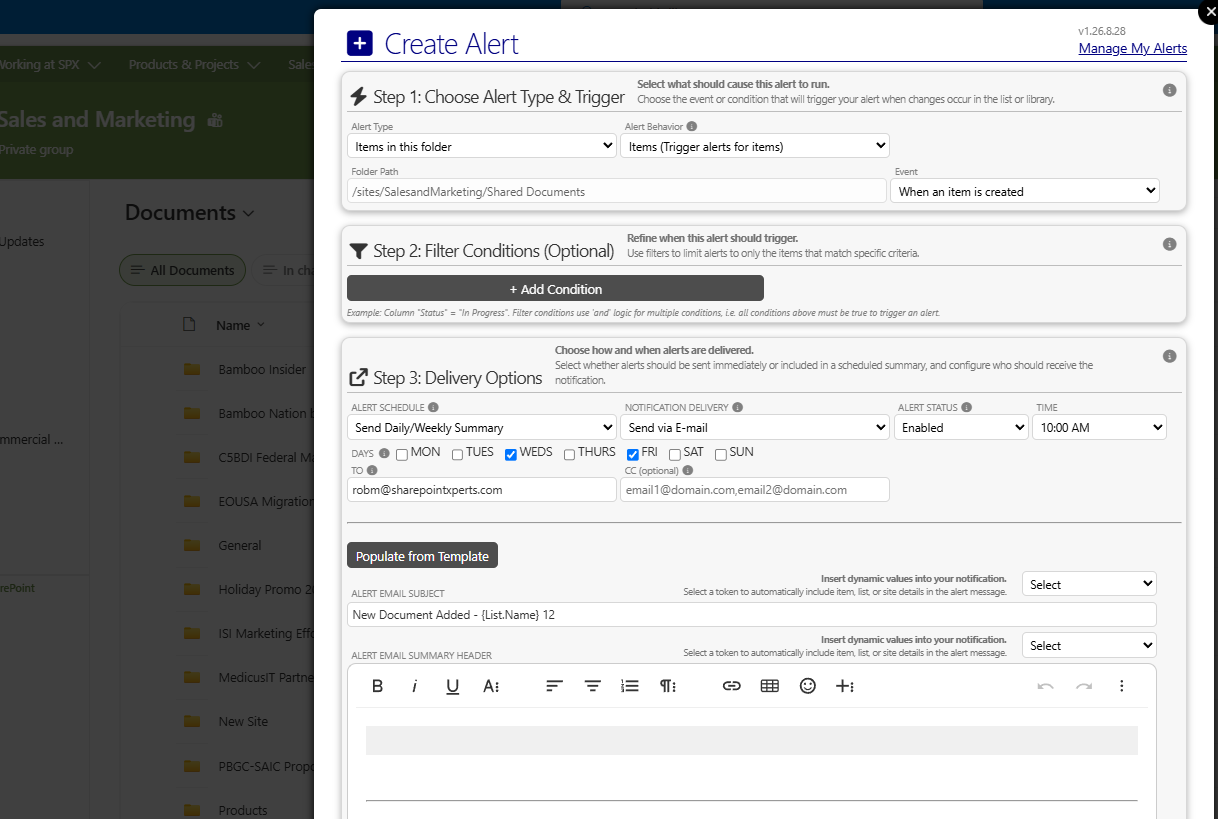
Bamboo Solutions Alert Plus product overviewExplore Alert Plus ↗
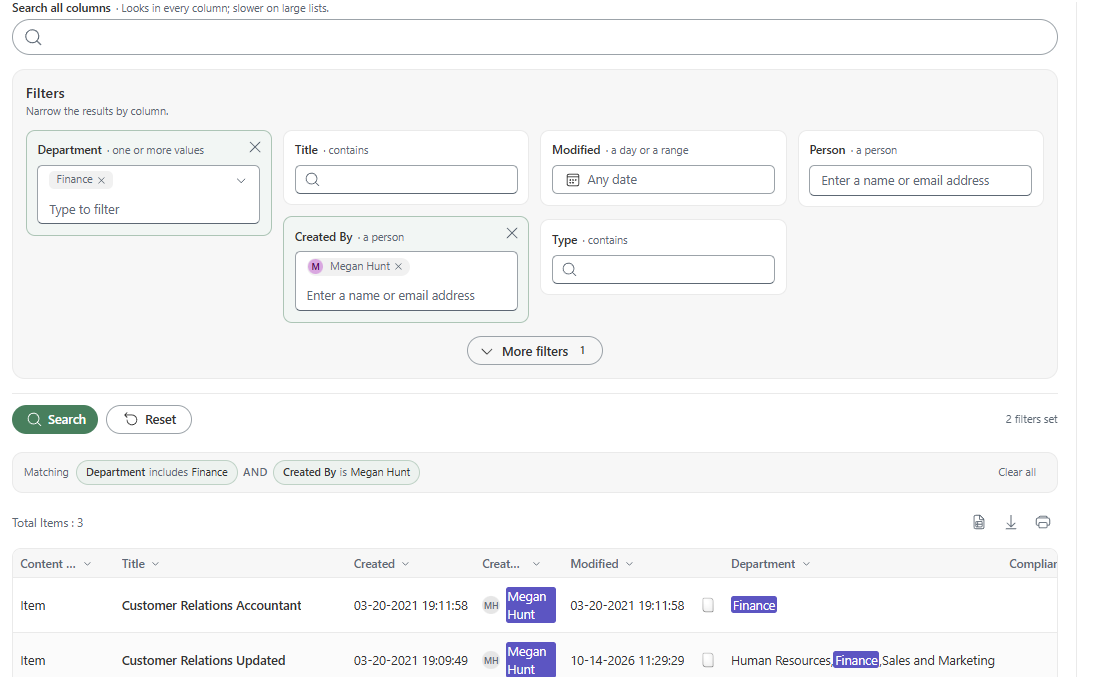
Bamboo Solutions Simple Search product overviewExplore Simple Search ↗
Bamboo Solutions Tabify product overviewExplore Tabify ↗
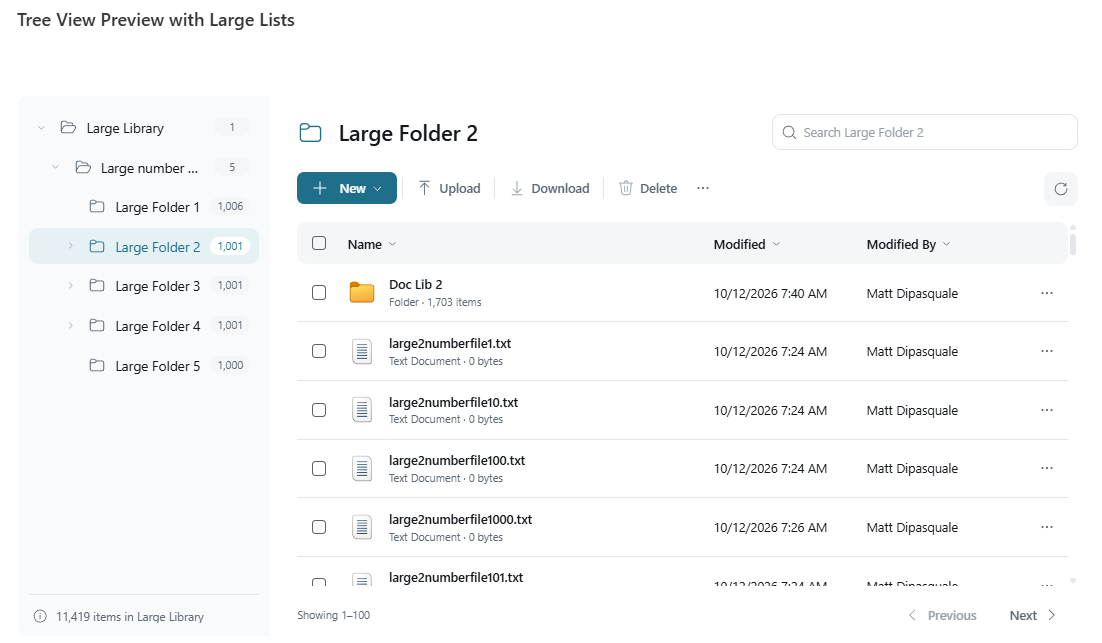
Bamboo Solutions Tree View product overviewExplore Tree View ↗
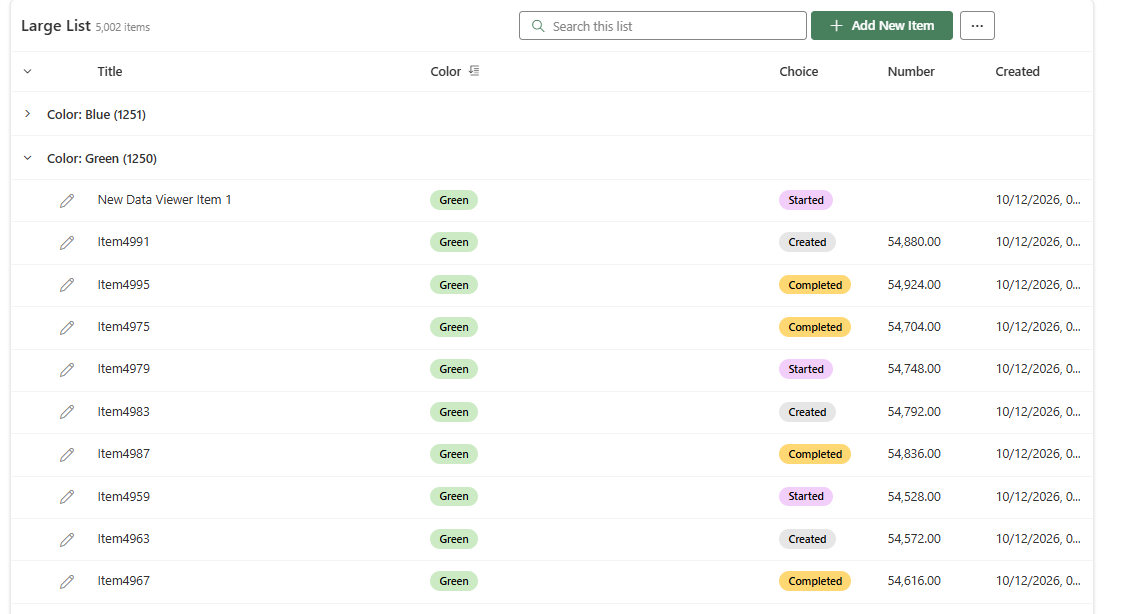
Bamboo Solutions Data Viewer product overviewExplore Data Viewer ↗